Financial Modeling for Investor Presentations: How to Make Projections Clear
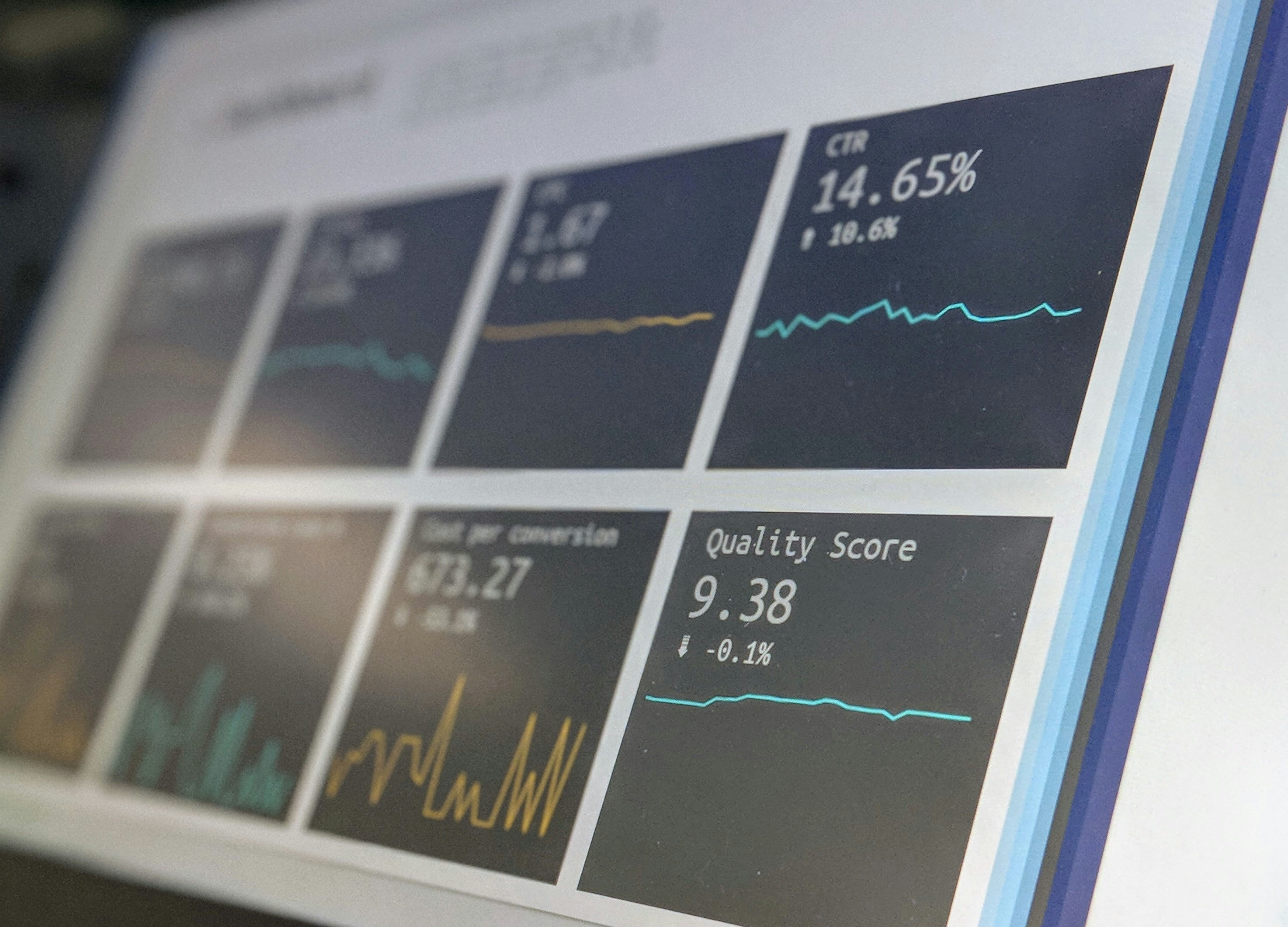
Financial projections are one of the most important parts of an investor presentation. They show how management thinks the business can grow, what assumptions drive the forecast, how capital will be used, and what financial outcomes may be possible.
But many financial models are difficult for investors to understand. They are too complex, too optimistic, poorly labeled, or disconnected from the company’s actual business model.
A strong investor financial model should be clear, logical, and easy to review.
What is financial modeling for investor presentations?
Financial modeling for investor presentations is the process of building projections and financial summaries that help investors evaluate a company. The model itself may live in Excel, Google Sheets, or another tool. The investor presentation usually includes a simplified visual summary of the model’s key outputs.
The model should support the story in the deck. If the deck says the company is scaling efficiently, the model should show how. If the deck says capital will fund growth, the model should show where the money goes and what milestones it supports.
Why investors care about the financial model
Investors use financial models to understand:
- Revenue potential
- Business model mechanics
- Growth assumptions
- Margin structure
- Cash needs
- Burn rate
- Runway
- Use of proceeds
- Valuation support
- Sensitivity to key assumptions
- Management’s financial discipline
Investors do not expect projections to be perfect. They expect them to be thoughtful, transparent, and grounded.
What an investor-grade financial model should include
1. Clear assumptions
Assumptions are the foundation of the model. They should be visible, organized, and easy to understand.
Common assumptions include:
- Pricing
- Customer growth
- Sales conversion rates
- Churn
- Contract value
- Gross margin
- Headcount
- Operating expenses
- Capital expenditures
- Fundraising timing
- Working capital
Avoid hiding assumptions inside formulas. Investors should be able to see what drives the forecast.
2. Revenue drivers
Revenue should be modeled based on the actual business model.
Examples:
- Units sold × price
- Customers × average contract value
- Subscribers × monthly subscription fee
- Usage volume × usage-based pricing
- Projects completed × average project value
- Locations × revenue per location
Driver-based revenue models are more credible than simply applying a growth percentage without explanation.
3. Cost structure
The model should show the major costs required to operate and grow the business.
Common categories:
- Cost of goods sold
- Hosting or platform costs
- Labor
- Sales and marketing
- General and administrative expenses
- Research and development
- Professional services
- Rent and facilities
- Insurance
- Software subscriptions
Cost categories should be detailed enough to evaluate but not so detailed that the model becomes unreadable.
4. Headcount plan
For many companies, headcount is one of the biggest drivers of expenses.
Include:
- Current employees
- Planned hires
- Department
- Salary or compensation
- Start date
- Benefits and payroll taxes
- Contractor costs
The headcount plan should connect to the company’s growth strategy.
5. Cash flow and runway
Investors want to know how long the company can operate and how much capital is needed.
Include:
- Beginning cash balance
- Cash inflows
- Cash outflows
- Monthly burn
- Net cash flow
- Ending cash balance
- Runway
- Financing assumptions
This is especially important for startups and private companies raising capital.
6. Scenario analysis
Scenario analysis shows how outcomes change under different assumptions.
Common scenarios:
- Base case
- Upside case
- Downside case
- Conservative case
- Funded vs. unfunded case
Scenarios help investors understand risk and sensitivity.
7. Key outputs
The model should produce a summary that is easy to read.
Key outputs may include:
- Revenue
- Gross profit
- Gross margin
- EBITDA
- Net income
- Cash balance
- Burn rate
- Runway
- Customer count
- Average revenue per customer
- Capital needed
These outputs can be translated into investor deck visuals.
How to present financial projections in a deck
Do not paste a full spreadsheet into the investor deck. Instead, summarize the model visually.
Useful presentation formats include:
- Revenue growth chart
- EBITDA or profitability chart
- Cash runway chart
- Use of proceeds chart
- Key assumptions table
- KPI forecast table
- Scenario comparison table
- Margin progression chart
The deck should highlight the most important takeaways, while the full model supports deeper diligence.
Common financial modeling mistakes
Common issues include:
- Unrealistic growth assumptions
- No clear revenue drivers
- Hidden assumptions
- Overly complex formulas
- Financials that do not match the deck
- No cash runway analysis
- No scenario analysis
- Too much detail in the presentation
- No explanation of use of proceeds
- Weak connection between capital raised and milestones
A model should make investors more confident, not more confused.
How to make projections more credible
To make projections more credible:
- Use driver-based assumptions
- Explain the logic behind growth
- Tie forecasts to historical performance when available
- Show how capital supports milestones
- Include conservative scenarios
- Clearly label assumptions
- Reconcile model outputs with deck numbers
- Avoid unnecessary precision
Credibility matters more than aggressive forecasts.
How Investor Creations helps
Investor Creations helps companies build investor-grade financial models, dashboards, charts, and financial presentation materials. This can include forecasts, valuation support, acquisition models, KPI dashboards, use-of-proceeds analysis, and investor deck financial visuals.
The goal is to make complex financial information easier for investors to understand and evaluate.
FAQ
What should a financial model include for investors?
An investor financial model should include assumptions, revenue drivers, expense categories, headcount, cash flow, runway, scenarios, and key financial outputs.
Should a financial model be included in a pitch deck?
A summary of the financial model should be included in the deck, but the full model is usually shared separately during deeper investor review.
How many years should financial projections cover?
Many investor models include three to five years of projections, depending on company stage, industry, and fundraising goals.
What makes a financial model investor-grade?
An investor-grade model is clear, organized, assumption-driven, easy to review, and connected to the company’s business model and fundraising strategy.
Can Investor Creations build financial model visuals for a deck?
Yes. Investor Creations can build financial models and translate key outputs into clear investor presentation visuals.
We typically respond in <1 hr during typical business hours (EST).